

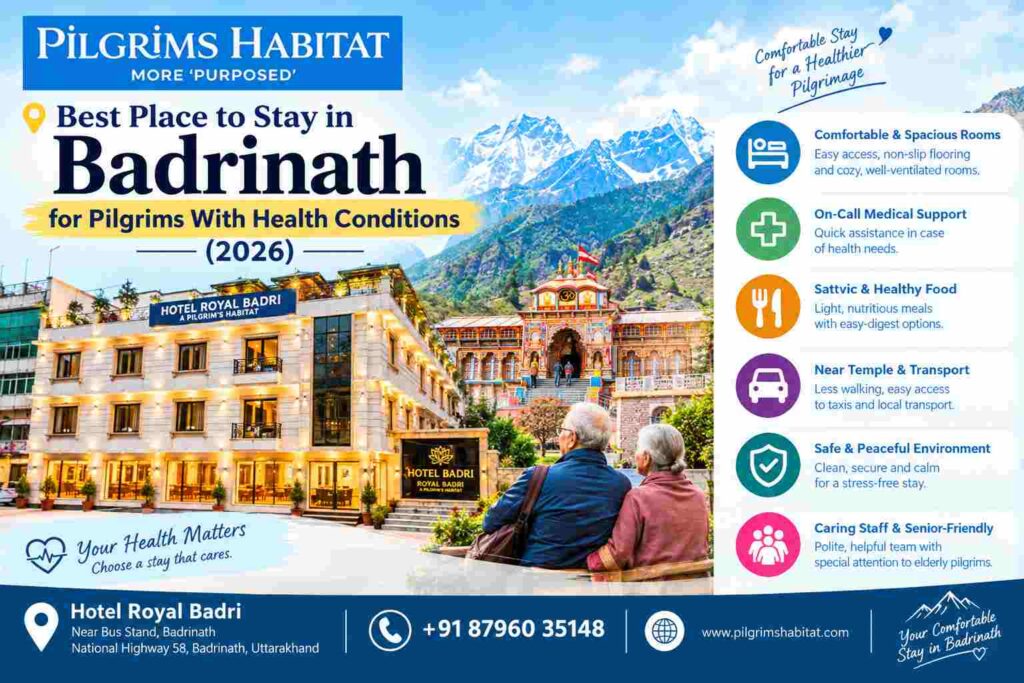
Best Place to Stay in Badrinath for Pilgrims With Health Conditions (2026)
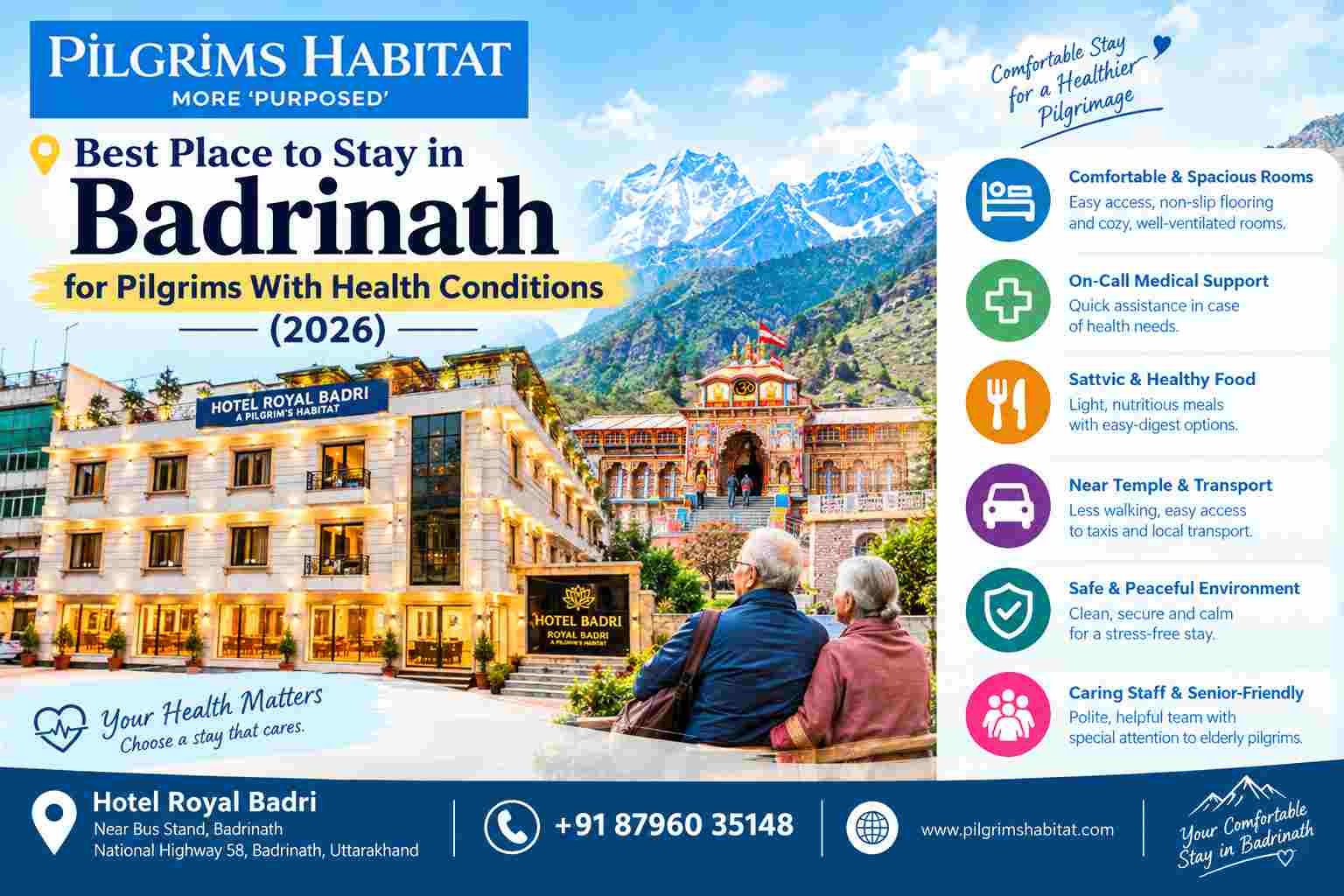
The best place to stay in Badrinath for pilgrims managing a health condition is one that minimises physical exertion, provides reliable warmth, and sits close enough to medical support if needed. At 3,133 metres, altitude affects the body differently than at sea level, and pilgrims with heart conditions, respiratory issues, high blood pressure, or mobility limitations need to think about accommodation choice as part of their health planning, not just comfort. This guide explains what genuinely matters when choosing where to stay, how Hotel Royal Badri’s 900-metre proximity to the temple reduces daily physical strain, and what to prepare before travelling.
Best Place to Stay in Badrinath for Health Conditions: Quick Reference
Question | Direct Answer |
What matters most when choosing accommodation with a health condition? | Proximity to the temple, reliable heating, and access to medical support if needed |
How does altitude affect health conditions in Badrinath? | Thinner air increases strain on the heart and lungs; cold increases blood pressure demands |
Should I consult a doctor before travelling? | Yes — especially for heart, lung, or blood pressure conditions, before confirming travel |
Is a medical certificate required? | Not mandatory for all pilgrims, but advisable for those with existing conditions or above 50 |
Where is the nearest hospital to Badrinath? | Civil Hospital Joshimath, approximately 46 km away |
Does Hotel Royal Badri support guests with health conditions? | Yes — proximity, heated rooms, and concierge support for VIP darshan reduce physical strain |
Why Accommodation Choice Is a Health Decision in Badrinath
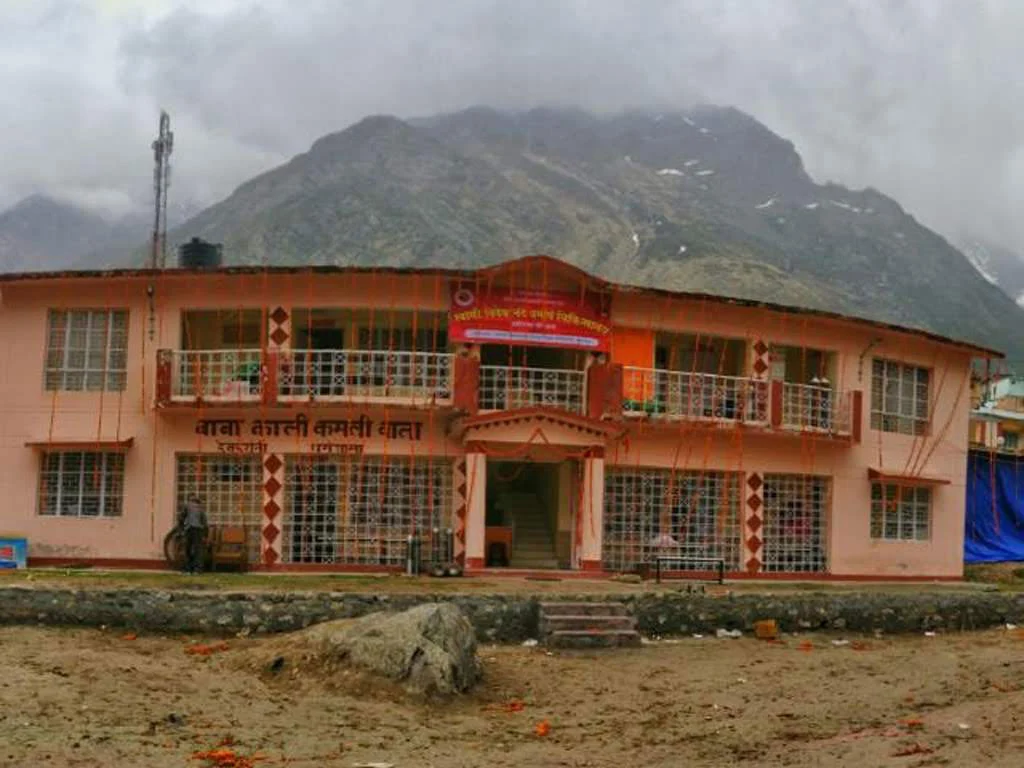
At 3,133 metres, the body works harder than it does at sea level, even at rest. For pilgrims managing a heart condition, respiratory illness, high blood pressure, or diabetes, every additional physical demand — a longer walk, cold exposure, exertion in thin air — adds real strain. Choosing accommodation that minimises these demands isn’t a luxury consideration; it’s a genuine part of managing the trip safely.
How Proximity Reduces Physical Strain
Every daily walk to and from the temple is physical exertion at altitude. A pilgrim staying 900 metres from the temple, as at Hotel Royal Badri, covers meaningfully less physical distance across a multi-day stay than one staying 2–3 km away — and avoids the added strain of getting in and out of vehicles in the cold multiple times a day.
Distance From Temple | Approximate Daily Round Trips | Cumulative Walking Distance (3-day stay, 2 trips/day) |
900 metres (Hotel Royal Badri) | 2 | ~5.4 km total |
2 km | 2 (or taxi required) | ~12 km total, or repeated vehicle transfers in the cold |
3+ km | Taxi effectively required for every trip | Minimal walking, but repeated cold exposure entering/exiting vehicles |
What to Discuss With Your Doctor Before Travelling
- Whether your specific condition (heart, lung, blood pressure, diabetes) is compatible with travel to 3,133 metres
- Whether Acetazolamide (Diamox) or any other altitude-specific medication is appropriate for you — only on a doctor’s prescription
- What symptoms would require you to descend immediately if they occur
- Whether you should carry a letter confirming fitness for high-altitude travel — useful at checkpoints and for your own records
- Any adjustments needed to regular medication timing given the altitude and schedule changes during travel
What to Pack for Health-Conscious Travel
- All regular medications with a 3–5 day buffer beyond your planned trip length
- A pulse oximeter (SpO2 monitor) — inexpensive and genuinely useful; a reading consistently below 90% at rest warrants medical attention
- A doctor’s letter noting your condition and any relevant medication, particularly useful if you need care while away from your usual doctor
- Warm layering appropriate for near-freezing nights from September onwards — cold itself adds cardiovascular strain
For a complete packing and medical preparation checklist, see our full Senior Citizens’ Guide to Badrinath Yatra, which covers altitude precautions in more depth.
Medical Support Near Badrinath
Facility | Distance From Badrinath | Notes |
BKTC seasonal medical post | At the temple complex | Basic first-aid support during the pilgrimage season |
Civil Hospital Joshimath | ~46 km | Nearest hospital with more comprehensive care |
AIIMS Rishikesh | ~298 km | Best full-service hospital in the region for serious concerns |
Save these emergency numbers before travel: Ambulance 108, Chamoli District Emergency 1077, and Hotel Royal Badri’s own number, 87960 35148, as a local point of contact who can help coordinate assistance.
How Hotel Royal Badri Reduces Strain for Guests Managing Health Conditions
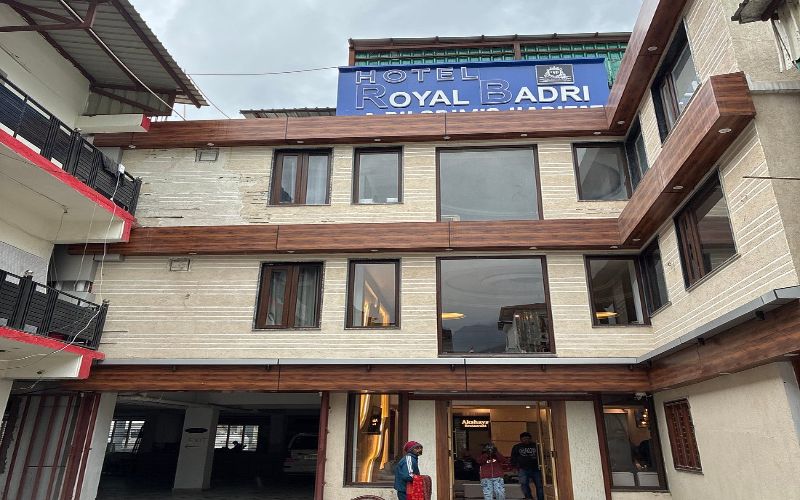
- 900 metres from the temple — significantly less daily walking and vehicle exposure than properties further away
- Dedicated in-room heaters — reduces cold-related cardiovascular strain, particularly important from September onwards
- 24/7 hot water — supports comfortable washing without waiting for a fixed window
- VIP darshan coordination through the Anugraha Concierge — reduces standing time in queues, one of the more physically demanding parts of a temple visit
- Ground-floor room requests accommodated — avoids stairs for guests with mobility or breathing concerns
- Sattvic dining on-site — no need to walk out for meals on days when energy is limited
For the full VIP darshan booking process, see our VIP darshan at Badrinath guide.
When to Reconsider or Delay Travel
Be honest with yourself and your doctor about whether this is the right time for high-altitude travel. Uncontrolled blood pressure, a recent cardiac event, unmanaged respiratory illness, or recent surgery are all reasons to discuss postponing the trip with a physician rather than proceeding and hoping for the best. Badrinath’s spiritual significance means a great deal to many pilgrims, and a well-timed, well-prepared trip is far better than a risky one taken against medical advice.
Specific Health Conditions: What to Consider
Condition | Altitude Consideration | Practical Advice |
Heart conditions (hypertension, CAD, arrhythmia) | Increased cardiac workload at altitude | Doctor’s clearance essential; monitor for chest discomfort or unusual breathlessness; stay close to the temple to minimise exertion |
Respiratory conditions (asthma, COPD) | Thinner air can worsen breathing difficulty | Carry regular inhalers/medication with buffer; avoid rushing on walks; a ground-floor room avoids stair exertion |
Diabetes | Altitude and travel disrupt routine; cold affects circulation | Monitor blood sugar more frequently than usual; carry glucose tablets; inform hotel staff for meal timing flexibility |
Joint or mobility conditions (arthritis, recent surgery) | Cold worsens joint stiffness; uneven stone paths near the temple | Request a ground-floor room; consider palki/doli services for the temple walk; pack warm joint supports if used at home |
Post-surgical recovery | Physical strain and altitude both slow healing | Get explicit surgical team clearance before travel; avoid rushing recovery timelines for the sake of a trip |
This table is a starting point for the conversation with your doctor, not a substitute for one — every individual’s risk profile is different, and only a physician familiar with your specific health history can give a reliable recommendation.
More Senior Citizen Planning Guides From Pilgrims Habitat
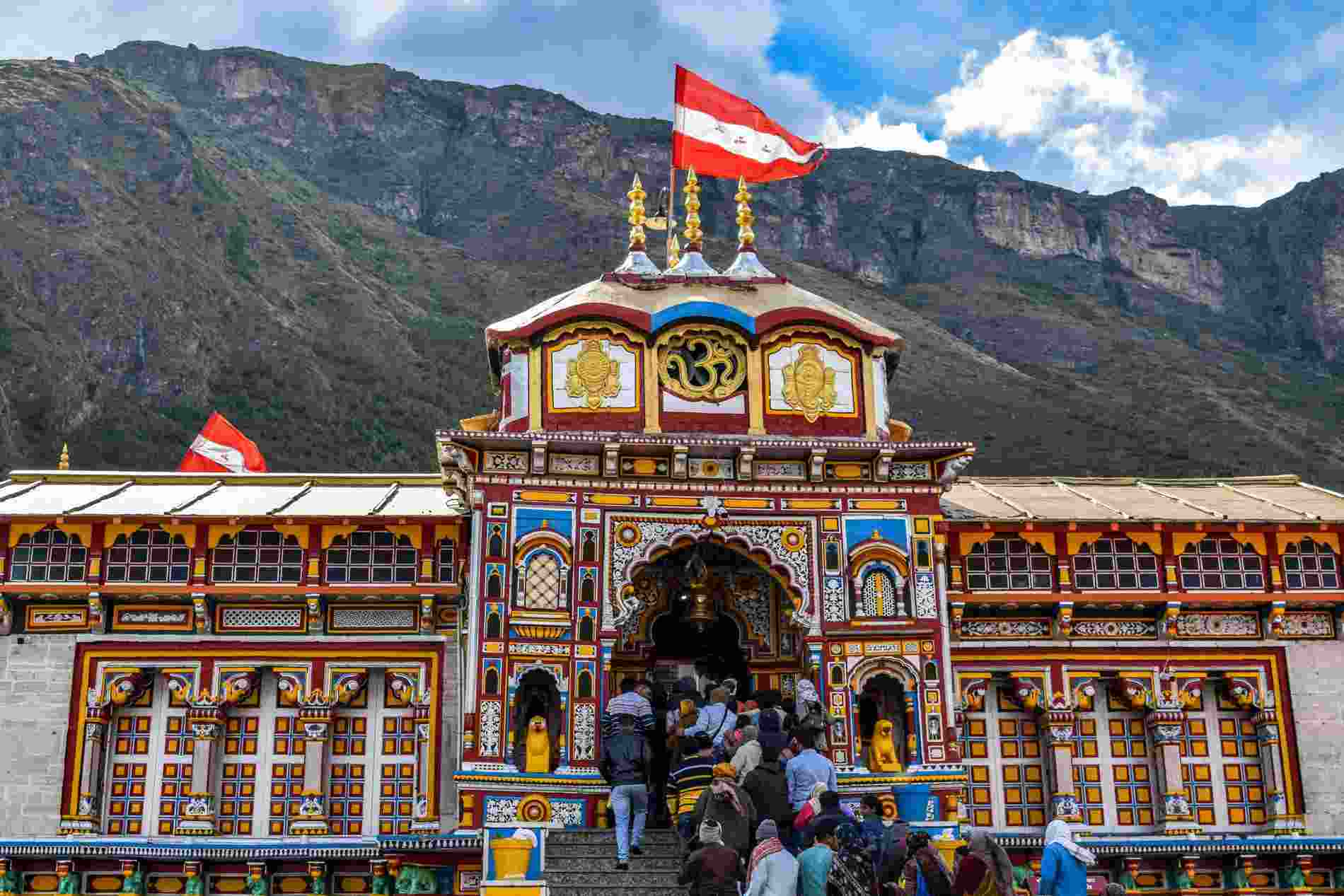
Related guides for senior and health-conscious pilgrims: Senior Citizens’ Guide to Badrinath Yatra (Complete) · Where to Stay in Badrinath Temple Area: Senior Comfort Guide · Stay Near Temple in Badrinath: Why Distance Matters After 60 · Is Badrinath Safe During Monsoon? · Hotel Royal Badri – Rooms & Booking
Frequently Asked Questions: Best Place to Stay in Badrinath for Health Conditions
A hotel close to the temple with reliable heating and support for reduced physical exertion. Hotel Royal Badri, 900 metres from the temple, minimises daily walking and offers VIP darshan coordination to reduce queue standing time.
Consult your doctor before travelling — altitude increases cardiovascular strain. If cleared to travel, choose accommodation close to the temple, carry a pulse oximeter, and know the location of the nearest medical facilities.
A seasonal BKTC medical post operates at the temple complex. Civil Hospital Joshimath (~46 km) offers more comprehensive care, and AIIMS Rishikesh (~298 km) is the region’s best full-service hospital for serious concerns.
Not mandatory for all pilgrims, but advisable for anyone above 50 or with an existing heart, lung, or blood pressure condition. Some checkpoints request this for elderly pilgrims specifically.
It significantly reduces daily walking distance and cold exposure from repeated vehicle transfers, both of which add cardiovascular and respiratory strain at altitude. A 900-metre distance, like Hotel Royal Badri’s, minimises this compared to properties 2-3 km away.
All regular medications with a 3–5 day buffer, a pulse oximeter, a doctor’s letter noting your condition, and warm layering appropriate for near-freezing temperatures, which themselves add cardiovascular strain.
Yes — VIP darshan significantly reduces standing time in the general queue, which is one of the more physically demanding parts of a Badrinath visit. Hotel Royal Badri’s Anugraha Concierge can help arrange this.
If you have uncontrolled blood pressure, a recent cardiac event, unmanaged respiratory illness, or recent surgery, discuss postponing with your doctor rather than proceeding against medical advice.
All Categories
Recent Post
-
 22 Sep 2026 UncategorizedBest Place to Stay in Badrinath for Pilgrims With Health Conditions (2026)
 -
 21 Sep 2026 Badrinath HotelsBadrinath Hotel Amenities Families Actually Need (2026 Checklist)
 -
 19 Sep 2026 UncategorizedStay Near Temple in Badrinath: Why Walking Distance Matters Most After 60
 -
 18 Sep 2026 Badrinath Travel GuideBadrinath Hotel Contact and Booking Help for Elderly Pilgrims Travelling Alone (2026)
 -
 17 Sep 2026 UncategorizedHow Far Is Mana Village From Badrinath? A Family Day Trip Plan (2026)
Book a Comfortable, Accessible Stay at Hotel Royal Badri
Hotel Royal Badri – A Pilgrim’s Habitat is 900 metres from Badrinath Temple, with heated rooms, ground-floor options, and an Anugraha Concierge who can coordinate VIP darshan to reduce physical strain for guests managing a health condition.
Book Your Stay Directly · Call / WhatsApp: 87960 35148 · Email: reservations@pilgrimshabitat.com
Delhi Office: Unit no. 6, Tribhuwan Complex, Ishwar Nagar, Friends Colony, Delhi – 110065