

Best Time to Visit Badrinath, Temple Opening Dates, Weather, and Where to Stay
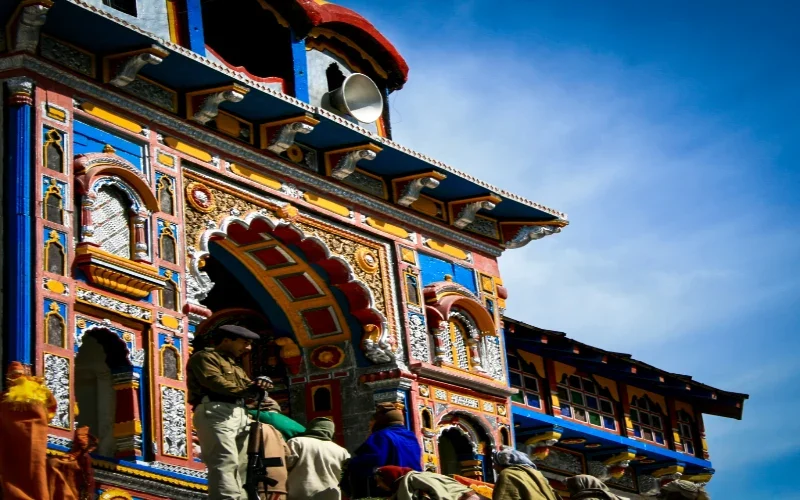
Badrinath Temple usually opens between late April and early May and closes around late October or early November every year. The exact dates are announced annually during Basant Panchami and Vijayadashami, as winter snowfall makes the region inaccessible for several months.
The best time to visit Badrinath is generally from May to October, when the temple remains open, and road connectivity is more reliable. Summer months bring pleasant weather and heavy pilgrimage crowds, while mid-September to October offer clearer skies, lower crowd levels, and a more peaceful yatra experience.
Because Badrinath sits at an altitude of over 10,000 feet in the Garhwal Himalayas, weather conditions change rapidly throughout the season. Your overall experience depends not only on when you travel, but also on where you stay, how prepared you are for mountain conditions, and how comfortably you can recover after long drives and temple visits.
Quick Travel Snapshot for Badrinath
Travel Period | What You Can Expect | Temperature Range |
May to June | Pleasant weather, peak pilgrimage season, crowded routes and hotels | 9°C to 22°C |
July to Mid-September | Heavy rains, possible landslides, fewer crowds, and lower hotel rates | 5°C to 16°C |
Mid-September to October | Clear skies, manageable crowds, crisp weather | 10°C to 17°C |
November to April | Heavy snowfall, temple closed, harsh winter conditions | -18°C to 12°C |
When Does Badrinath Temple Open and Close?
The temple gates usually open in late April or the first week of May. This period marks the official beginning of the Char Dham Yatra season, attracting pilgrims from across India. Since the temple remains inaccessible during winter, the opening weeks witness a sharp rise in visitor numbers.
The closing ceremony generally takes place in late October or early November. After closure, the region receives continuous snowfall, and temperatures drop well below freezing. Most hotels, shops, and transport operations reduce significantly during this period because road connectivity becomes unreliable.
If you are planning your journey, it is always advisable to verify the official opening dates before finalising bookings, especially during peak yatra months.
Understanding Badrinath Weather Before You Travel
Badrinath’s climate changes dramatically across seasons. Unlike regular hill stations, the weather here directly affects road safety, darshan timings, accommodation demand, and even physical health due to the altitude.
Summer in Badrinath (May to June)
Summer is considered the best overall time to visit Badrinath. Days remain cool and pleasant, while evenings become mildly cold. Temperatures generally stay between 9°C and 22°C, making sightseeing and temple visits comfortable for families and senior citizens.
This is also the busiest travel period. Pilgrims prefer these months because roads are more stable and the weather remains relatively predictable. However, heavy crowds are common around temple queues, parking areas, and accommodations.
During these months, booking your stay in advance becomes extremely important. Many travellers arrive after exhausting 10 to 12-hour mountain drives from Rishikesh, Rudraprayag, or Joshimath. Reaching Badrinath without confirmed accommodation can quickly turn stressful, especially for elderly family members.
What You Should Carry During Summer
- Light woollens for daytime
- Heavy jackets for evenings and early mornings
- Comfortable walking shoes
- Basic medicines for altitude fatigue
- Rain protection for unexpected weather changes
Monsoon in Badrinath: What You Need to Know
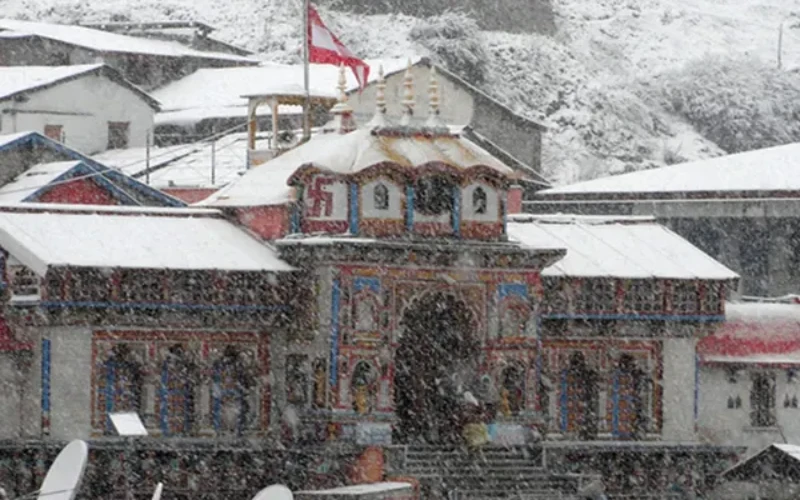
July to Mid-September
Monsoon season changes the entire character of the yatra route. Temperatures remain cold, ranging between 5°C and 16°C, while rainfall becomes frequent across Uttarakhand’s mountain roads.
This is the period when travellers must pay close attention to road conditions between Rishikesh and Badrinath. Landslides, roadblocks, and occasional delays are common due to continuous rain. Cloudburst risks also increase in vulnerable mountain stretches.
At the same time, monsoon has its own advantages. The valleys become greener, crowds reduce significantly, and accommodation rates become more affordable compared to peak summer.
If you choose to travel during this season, flexibility becomes essential. Always keep buffer days in your itinerary and check official road updates before starting the journey.
Why Mid-September to October is the Most Balanced Time to Visit?
Many experienced travellers consider mid-September to October the most rewarding period for a Badrinath trip.
By this time, monsoon rains begin to withdraw, roads become more stable, and the summer rush starts declining. The mountains appear fresh and clear after the rains, while daytime weather remains pleasant for darshan and local exploration.
This period is particularly suitable if you want:
- Less crowded temple visits
- Better photography conditions
- More peaceful surroundings
- Comfortable daytime weather
- Easier hotel availability
Nights become considerably colder during October, so thermal clothing becomes necessary. In the final weeks before temple closure, occasional snowfall may also begin in higher areas.
Winter in Badrinath (November to April)
Winter in Badrinath is extremely harsh. Temperatures can fall below 18°C in peak winter months, while heavy snowfall cuts off several routes.
The temple remains officially closed throughout this season. Most pilgrimage activity shifts to lower-altitude winter seats designated for worship rituals.
While snow-covered landscapes look beautiful, this period is not suitable for regular pilgrimage travel. Roads may become inaccessible, and weather conditions can change rapidly.
Month-by-Month Badrinath Temperature Guide
Month | Minimum Temperature | Maximum Temperature | Weather Conditions |
January | -11°C | 1°C | Heavy winter snowfall; the town is closed |
February | -10°C | 6°C | Deep snow; temple closed |
March | -8°C | 8°C | Sub-zero nights; melting snow |
April | 3°C | 11°C | Highly cold; early opening preparation |
May | 9°C | 20°C | Sunny and pleasant; peak travel begins |
June | 9°C | 22°C | Best weather; peak summer crowd |
July | 11°C | 15°C | Monsoon starts; heavy downpours |
August | 11°C | 14°C | Peak rains; landslide warning periods |
September | 8°C | 15°C | Clear skies; crisp autumn weather |
October | 5°C | 12°C | Very cold nights; light snowfall chances |
November | -2°C | 6°C | Winter sets in; temple closing period |
December | -9°C | 2°C | Extreme sub-zero levels; heavy snowfall |
Which Month is Best for Your Travel Style?
For Comfortable Weather and Family Travel
Choose May and June. Weather conditions remain stable, roads are comparatively safer, and daytime darshan becomes easier for children and elderly pilgrims.
For Peaceful Temple Visits
Choose Mid-September to October. Crowds become manageable, hotel availability improves, and the spiritual atmosphere feels calmer.
For Budget-Friendly Travel
Choose July and August, but only if you are comfortable with monsoon travel conditions and possible route disruptions.
For Snow Views
Late October occasionally offers early snowfall views around the surrounding peaks while the temple remains operational. However, temperatures become sharply colder after sunset.
Why Your Hotel Choice Matters in Badrinath
Pilgrims often underestimate how physically tiring the Badrinath route can be. Long drives, changing altitude, cold weather, crowded darshan queues, and irregular meal timings can quickly exhaust the body.
That is why your accommodation should not simply be a room for sleeping. It should support recovery, convenience, clean dining, and easy temple access.
This is where Hotel Royal Badri – A Pilgrim’s Habitat becomes highly practical for travellers looking for a comfortable and reliable stay near the temple.
Hotel Royal Badri – A Comfortable Stay Near Badrinath Temple
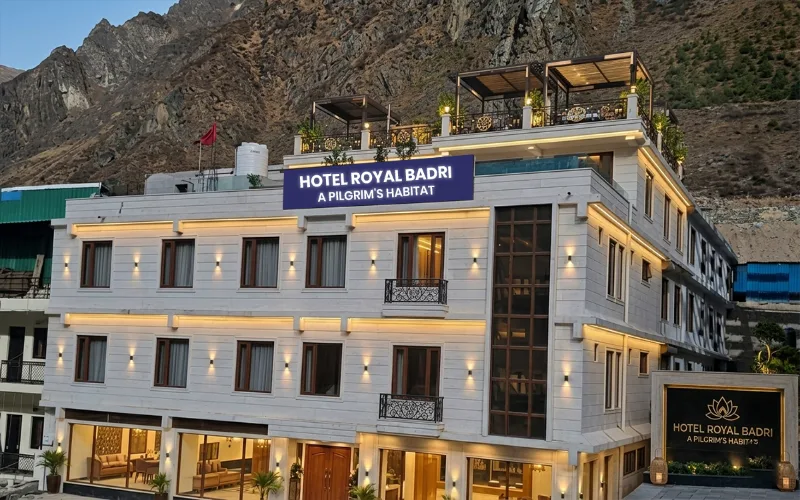
Located just a 900-metre walk from the Badrinath Temple, Hotel Royal Badri is designed specifically around the real needs of pilgrims. The goal is not luxury in the traditional sense. The focus is comfort, accessibility, cleanliness, and dependable hospitality at high altitude.
After a long mountain journey, the ability to reach your room quickly, access warm meals, and attend temple aarti without transportation hassles becomes genuinely valuable.
Close Proximity to the Temple
One of the biggest advantages of staying with us is the short walking distance to the shrine.
Because our hotel is only around 900 metres from Badrinath Temple, you can comfortably attend early morning or evening darshan without depending heavily on local vehicles or extended walks in cold weather. This becomes especially important for senior citizens and families travelling with children.
Comfortable Rooms Designed for Pilgrims
We offer 41 clean and thoughtfully maintained rooms designed to help travellers rest properly after exhausting travel schedules.
At high altitude, proper rest directly affects your energy levels for darshan and further travel. Warm interiors, reliable services, and organised hospitality become more important than flashy amenities.
Our approach focuses on practicality, cleanliness, and peace of mind.
Pure Sattvic Dining at Akshaya
Food quality becomes a major concern for travellers in remote mountain regions. During a pilgrimage, many visitors specifically look for pure vegetarian, sattvic meals that feel light, hygienic, and spiritually aligned with the journey.
At Akshaya, our in-house restaurant, we serve freshly prepared sattvic meals designed for pilgrims and families. The focus remains on balanced, wholesome food that supports comfort during high-altitude travel instead of overly heavy dining.
For many guests, reliable food availability after late darshan timings becomes one of the most reassuring parts of the stay.
Ambar Sky Cafe and Mountain Views
Pilgrimage journeys are physically demanding, but they are also deeply personal experiences. Sometimes, travellers simply need a quiet space to sit, reflect, and absorb the atmosphere of the mountains after temple visits.
Our Ambar Sky Cafe offers open mountain views where guests can relax with tea, light meals, and peaceful surroundings away from crowded public areas.
Local Assistance Through Anugraha Concierge Services
Travel in Badrinath often involves changing schedules, route updates, weather disruptions, and temple timing adjustments.
Through our Anugraha Concierge support, we assist guests with local guidance, temple-related information, and practical travel coordination whenever possible. This helps simplify the journey, especially for families visiting the region for the first time.
Final Thoughts on Planning Your Badrinath Journey
The best time to visit Badrinath is from May to June and mid-September to October. May and June offer the most comfortable weather for darshan and sightseeing, while mid-September to October gives you clearer skies, lower crowds, and a more peaceful pilgrimage experience.
Since Badrinath is a high-altitude destination with limited seasonal access, choosing the right stay is equally important for a smooth journey. At Hotel Royal Badri – A Pilgrim’s Habitat, we provide comfortable rooms, pure sattvic dining, and a convenient location just 900 metres from Badrinath Temple to help make your yatra more comfortable and stress-free.
Frequently Asked Questions (FAQs)
Yes, Badrinath is visited by thousands of families and elderly pilgrims every year during the yatra season. However, because of the altitude and long mountain drives, proper rest, warm clothing, and comfortable accommodation become very important.
Most travellers keep 2 to 3 days for Badrinath, excluding travel time from Haridwar or Rishikesh. This gives you enough time for darshan, local sightseeing, and proper rest after the mountain journey.
No, most hotels and local businesses operate only during the temple season from around April/May to October/November. Heavy snowfall during winter makes regular tourism and stay operations difficult.
Yes, booking is strongly recommended during May, June, and the festival periods because rooms fill quickly during the peak pilgrimage season. Last-minute availability can become difficult, especially for families and larger groups.
Most restaurants and hotels primarily serve pure vegetarian food due to the religious significance of the destination. Many pilgrims specifically prefer sattvic meals during the yatra for lighter digestion and spiritual discipline.
All Ccategories
Recent Post
-
 30 Sep 2026 Badrinath Travel GuideBadrinath Hotel WiFi and Mobile Network: What NRIs Should Know Before They Go
 -
 30 Sep 2026 Badrinath HotelsBadrinath Hotel With Mountain View: A Photographer's Guide to Rooms, Light and Timing
 -
 30 Sep 2026 Badrinath HotelsHow to Book Badrinath Hotel From Abroad: Cards, UPI and Payment Tips
 -
 30 Sep 2026 Badrinath HotelsBest Hotels Near Badrinath Temple Compared: Distance, Comfort and Who Each Suits
 -
 30 Sep 2026 Badrinath HotelsBest Hotel in Badrinath for NRIs Travelling With Elderly Parents

6 Responses